Genital Bear Trap?

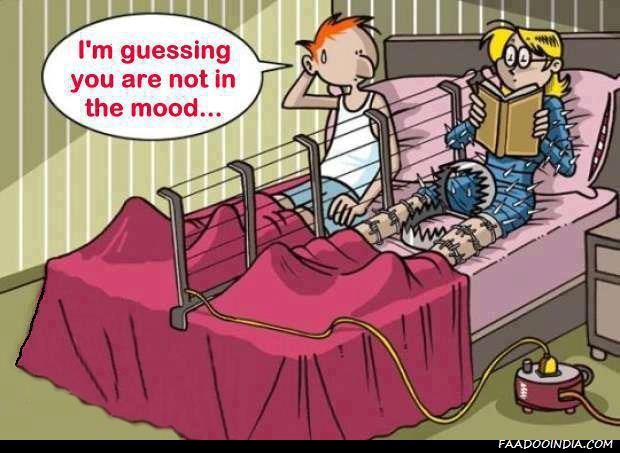
http://faadooindia.com/2012/07/im-guessing-you-are-not-in-the-mood/Read the cartoon. “I’m guessing you are not in the mood…” Cue laughter.

Why does this evoke laughter? Even I laughed initially when I read it before I considered other perspectives. I was curious whether women in general would find it amusing due to familiarity with that situation, or if they would be upset by it. And what about men?

In my private practice, I frequently witness this dynamic with couples of mismatched desire levels, albeit not to the extent of barbed wire. In bed at night, here’s the monologue that seems to go through the woman’s head:

He will probably want sex tonight. It’s been a little while so maybe I should. But I’m exhausted and don’t feel like it. If I yawn loudly, he’ll see the subtle clue that I’m too tired and not ask, and then I won’t feel guilty about saying no.

This cartoon cuts through the mental game playing as the woman blatantly presents her opinion about sex that night. The man scratches his head, and with a bit of uncertainty, states the obvious.

I’m mixed about how I feel about a cartoon like this. This is a stereotype, and such stereotypes are problematic because they can enforce already restrictive gender roles. On the other hand, this is how many couples operate, and humor is a known path to opening dialogue around uncomfortable topics.

So I posted the cartoon on Facebook and asked for people’s initial reactions, and why they had that reaction (both publicly and in private message). The responses were incredibly varied from the extremes of  “this is depressing” and “this isn’t funny,” to recognition that “as a mother of three children, I laughed,” to “lighten up people, it’s a joke” (which incidentally, was from a man). The most poignant responses were those indicating opposing gender perspectives on who was responsible for the couple reaching this point. As one friend posted, we need to ask why this is happening. I quite agree. What differences are women and men learning about sex and experiencing around sex that makes this a national joke? Clearly we’re missing the mark, and each other.

From a woman’s perspective, why would she get to a point of desiring physical barriers between her and her partner? She may be exhausted and overwhelmed from juggling so much, doesn’t feel much of a physical sex drive, she’s bored with the same old in the bedroom, or she’s built up a wall of resentments that make opening up sexually difficult. These are all common explanations I hear from clients and quite valid. The Facebook crowd added that a discomfort can exist if the man has cheated or if the woman gets tired of saying no. This was exemplified by the comment, “another clueless horny man,” from a woman who thought the cartoon was funny because it’s true. There were also some women who felt that the depicted couple was sad and distressing, because clearly her other modes of communication had been ignored.

The sad theme was also mentioned by several men, who saw it as frustrating to a man. I perceived these responses to mean that to encounter such roadblocks when desiring sexual intimacy with your partner is upsetting. Continual rejection can take quite a toll on a man’s self-esteem and confidence. On the other hand, several men found humor in the cartoon with the “it’s funny because it’s true” response for a few reasons: because women don’t communicate directly enough for men to understand, so the blatancy of the cartoon is appreciated; it “blames” the woman for her lack of interest in sex; and that the use of a bear trap and fencing in bed is just funny. As to why a man could get to this point in a relationship, in my practice, I’ve found that men are more likely to continue to have physical sexual desire throughout a long-term relationship, while their female partners don’t experience the same type of physical urges. It can be difficult for men to understand and accept this shift.

That being said, I would be remiss to not share the perspectives of the women and men who expressed the opposite view. A couple women were in the shoes of the “man” of wanting more sex. One man responded, after a chuckle, that sometimes guys don’t want sex either. There were also some people who recognized that it takes two to tango, and both partner’s played a main role in creating this sad situation. I certainly see all of this in my practice as well.

What is the lesson here? In relationships as depicted in the cartoon, it’s vital to realize that the woman is not trying to be a gatekeeper. Additionally, the man is not trying to be an ass. Despite the difficulty in each partner accepting this, it is actually quite hurtful and guilt-inducing on both sides. Drop the defensiveness and get to the vulnerable truth, and allow space for your partner to do the same. Get to the heart of your needs, desires, and motivations, and open to a teamwork approach. Otherwise that electrical fence will get more charged and divisive.

And the funniest response on Facebook? One of the class clowns from my high school did not disappoint. He wrote: “I’m wondering what book she’s reading? Maybe it’s 50 Shades of Grey, in which case the guy should hang in there as she might change her mind shortly.” Thank you, Doug.

~Dr. Jenn Gunsaullus, San Diego, CA -- Sex Therapist, Sexuality Speaker, Sexologist

New Sexuality Speaker Website

One of my biggest passions in the sexuality field is speaking about these topics in front of live audiences. I love having the opportunity to create safe and fun places to learn about sex and ourselves, despite potential embarassment by the audience and the taboo nature of frank sexual topics. To this end, I just created a new website which focuses on my work as a sexuality, sexual health, and safer sex speaker.

While my specialty is sexual topics, I take a broad and holistic approach to this, so my speaking topics include body image, communication, gender differences, healthy relationships, mindfuless, and the art of happiness.

Please feel free to check out my Sexuality Speaker website. Thanks!

~Dr. Jenn Gunsaullus, San Diego, CA -- Sexuality Speaker, Sex Therapist, Marriage Counselor, Sexologist

KeepandShare.com(R) Photo Sharing Sites

Why It's Important to Hurt Your Partner...Sometimes

I’ve seen a trend with some men. They are very afraid to hurt their female partner. They explained that they learned as kids, often from their dads, that “You don’t hurt a woman. Ever.” Kids generally don’t have the brain capacity to develop nuanced understandings around such topics. Therefore, by adulthood, this statement becomes a black and white obligation for men around a very complex emotional situation.

How might this show up for an adult man in a relationship?

He always says yes but then doesn’t follow through. He keeps his opinions to himself but slowly builds resentments over time. He denies responsibility or blames his partner when she is hurt by something he’s done.

Why is this problematic?

This pattern of communication can create big relationship problems. It’s all based in fear: fear of confrontation, fear of feeling horrible for hurting the woman you love, or fear of seeing her cry. But it’s imperative to recognize the difference between “small hurts” and “big hurts.” Small hurts, handled responsibly, can avoid big hurts.

All 7 billion people on the planet have their own unique perspective on the world. This means when two of those people are in relationship, they will have disagreements. This is natural, normal, and healthy. People get disappointed, choose to compromise, and are sometimes hurt. This is all part of the negotiation required to merge two lives. When we choose how to negotiate the small hurts honestly and responsibly, we can live more from love than fear, and keep the big hurts from growing.

~Dr. Jenn Gunsaullus, San Diego, CA -- Sexuality Speaker, Sex Therapist, College Sexual Health Speaker, Sexologist

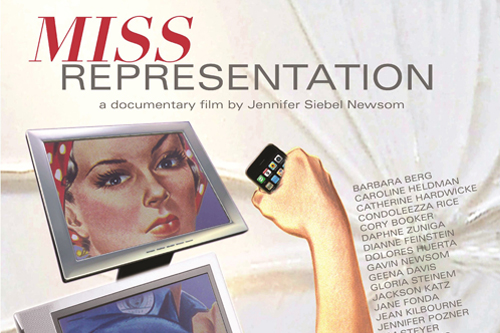
Miss Representation FILM REVIEW

When is it going to be enough?” a high school girl asks, choking back tears.

She’s referring to the incessant presence of negative body and beauty messages in the media, and the consequent impact on teen girls. What happens when girls and women repeatedly learn to self-objectify and that their primary value is in their appearance, youth, and sexuality? We end up with a society where only 17% of the seats in the House of Representatives are women, only 3% of clout positions in mainstream media are held by women, and 65% of girls and women have disordered eating behaviors.

This is the message of the 2011 documentary Miss Representation. From the Oprah channel to college campuses and community groups around the country, this documentary has been raising awareness and eyebrows since last fall. The overall theme is that by presenting messages about women in such limited ways, mainstream media contributes to the low numbers of women in leadership and influential positions. Many Hollywood stars, political leaders, and media experts shared their observations, including Condoleezza Rice, Geena Davis, Lisa Ling, Katie Couric, and Jennifer Pozner. This documentary included men in the dialogue as well, and addressed the impact of limited gender roles on women and men, such as socializing half our population to be emotionally illiterate.

How did things end up this way? My take-away from the movie regarding this negative state for women are three-fold. First, it is well known that media and ads are designed to make consumers feel anxious and insecure. This is what sells their products. The airbrushing and Photoshopping of female bodies creates impossible body standards. When this is continually combined with the importance of beauty, youth, and slenderness for women, you’re going to end up with a bunch of girls and women who feel insecure.

Second, most decision makers, whether in a media outlet or a political office, reflect and replicate the world they grew up in. They do this without questioning their assumptions about the way things are. However, when the majority of people in decision-making positions come from similar backgrounds, that means only a limited view of reality is presented in the mainstream media. With shocking statistics of how many positions of power are held by men, it makes sense why there are so few positive and powerful role models for girls.

Third, when you study the language and attitude used to describe and discuss male politicians versus female politicians, the trivializing of female politicians seems to belie an underlying discomfort with women in power. When a person feels that their power is being challenged, they often fight back, through bolstering themselves and trivializing their opponents. It would seem that empowered women are threatening to the status quo. You don’t have to look far to see how women in power are often critiqued or downright attacked for their appearance, clothing, or sexuality.

Miss Representation posits a compelling depiction of the state of affairs for women in leadership, and the context for girls learning whether they are worthy to be leaders. It’s a wake up call when we realize that one of the prominent “powerful” female stereotypes in movies, video games, etc., is the “fighting fuck toy.” The documentary concludes with a call to action to women, girls, and their supporters to use their consumer voice, voting voice, and personal voice to step up as leaders and recognize their internal strength. One young woman, 14-year old Julia Bluhm, has recently taken this to heart. She protested and collected 84,000 signatures to convince Seventeen Magazine to stop airbrushing and Photoshopping the shapes of their teen models. Next month, in Seventeen’s August issue, we will see their new look and presentation. If we speak up enough, we can make a difference.

(This was originally posted as part of the Love & Sex Blog at Pacific San Diego Magazine.)

~Dr. Jenn Gunsaullus, San Diego, CA -- Sexologist, Sexuality Speaker, College Sexual Health Speaker, Sex Therapist

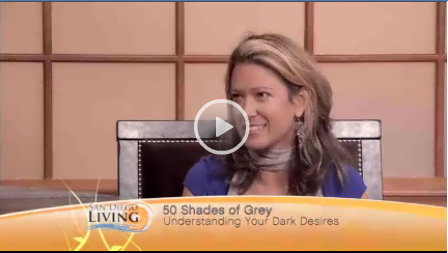
50 Shades of Grey - Dr. Jenn interviewed on San Diego Living by Kristen Mosteller

I was excited for my first appearance on San Diego Living. What a great crew of folks over there. Kristen Mosteller interviewed me about why the 50 Shades of Grey series is so popular with women, and how to bring a little of that into your own bedroom. I also wrote a sex & love blog about this recently if you'd like to check that out.


~Dr. Jenn Gunsaullus, San Diego, CA -- Sexologist, Sex Therapist, Sexuality Speaker, College Sexual Health Speaker

Jeans 4 Justice: An Unconventional Approach to Ending Sexual Violence

Sex is hot and steamy, yet it can have a dark underbelly of pain, abuse, and violence. Dr. Jenn interviews the founder of the San Diego nonprofit Jeans 4 Justice, Jess Johnson, about her work and passion. Jeans 4 Justice takes a unique approach to ending sexual violence through: sharing stories, cultivating leaders, and empowering communities...all in order to create healthy relationships and empower social change.

THAT'S INSPIRING!
Learn about the incredible book "Half the Sky"

~Dr. Jenn Gunsaullus, San Diego, CA -- Sex Speaker, Sexologist, College Sexual Health Speaker