
How to Flirt Through Texts...and How NOT To (On Channel 6 News)

Flirting through texting is a good thing - seriously. I don't think that technology today is interfering with all real communication, and flirting is a good example of something that can be facilitated and potentially enhanced through the media of texting. I spoke about the Dos and Don'ts of flirting through texting today, specifically for folks who are over 40 years old, on Channel 6's Wake Up San Diego. Check out the video posted below, and I've included some other thoughts below I didn't have time to articulate on the news.

I see 3 different categories of flirting through texting: Playful/teasing, romantic, and sexual. The playful version is like the teasing we did as teenagers by our lockers in high school (or was that just me?). For example, if your object of interest is reading poetry, make a cute jab about them "being a brooding poet," and include a winking emoticon so they know you're kidding. I just watched a young woman and man do this type of teasing bantering in a cafe recently. It was ridiculously transparent to the point of annoyance (to me, at least). But doing through texting, where no one else has to witness, is a good idea!

The romantic version of flirting through texting can be incredibly sweet, and the type of texts that girlfriends swoon over and share with friends. This is your chance to offer a genuine compliment - a funny memory from a recent date, a feature you love about them, or even a quote that expresses how your feel. Also, remembering to ask about something important about their day, such as a big meeting or their child's doctor appointment, can feel very nurturing on the receiving end.

And finally - sexting! This definitely gets the most attention and needs to be done with care. Two "don'ts" off the bat: Don't send naked photos and don't text late at night when drunk. I hear about frequent regrets in these areas. But DO plant the seeds for sexual banter, such as "I just got out of the shower," and let the intensity slowly build.

Don't use texting for long conversations better left to phone or email, but also don't write really short responses if you're interested in the other person and they are writing in more depth. In addition, if most of your relationship is unfolding via text and not in person, your date may not be willing to commit and you might want to move on. Do YOU have any flirting through texting lessons you learned the hard way?

~Dr. Jenn Gunsaullus -- San Diego, Sexologist, Sociologist, Sexuality Speaker

4 Rules to Avoid a Mid-Life Crisis

Jokes about fast cars and busty women aside, a midlife crisis can be a very real thing for many men and women. The cause of said “crisis” is the realization that life isn’t going the way you expected. You worked hard and followed the rules, yet you feel unsatisfied, disconnected, and unhappy. Here are 4 rules to get you back on track, or avoid the crisis in the first place:

Rule 1. Don’t follow the rules. I say this tongue in cheek, as this blog posting is about following rules! What I mean is to follow new rules that don’t involve “shoulds.” You should be married by a certain age. You should have children. You should live in a certain neighborhood. You should sacrifice all your needs for your children. You should stay at a job you hate because at least you have a job. While some of these “shoulds” may be important to you, ask yourself where you learned them and then question whether they are attached to your personal purpose and mission in life. While you don’t want to dismiss your existing commitments in one fell swoop, you can start taking little steps to make your own rules so you can design your life, instead of your life designing you.

Rule 2. Find your passions. Explore what you’re passionate about, and in particular something that lights you up and involves helping others. Many people feel passionate about activities like golf, video games, or shopping, but I’m encouraging you to find passions that have an altruistic bent to them. Research shows that the benefits of activities that bring pleasure to us while helping others, versus purely hedonist pleasure for ourselves, last longer. If you connect this built in feel-good wiring with something that you are also passionate about, you have a recipe for deeper fulfillment and satisfaction.

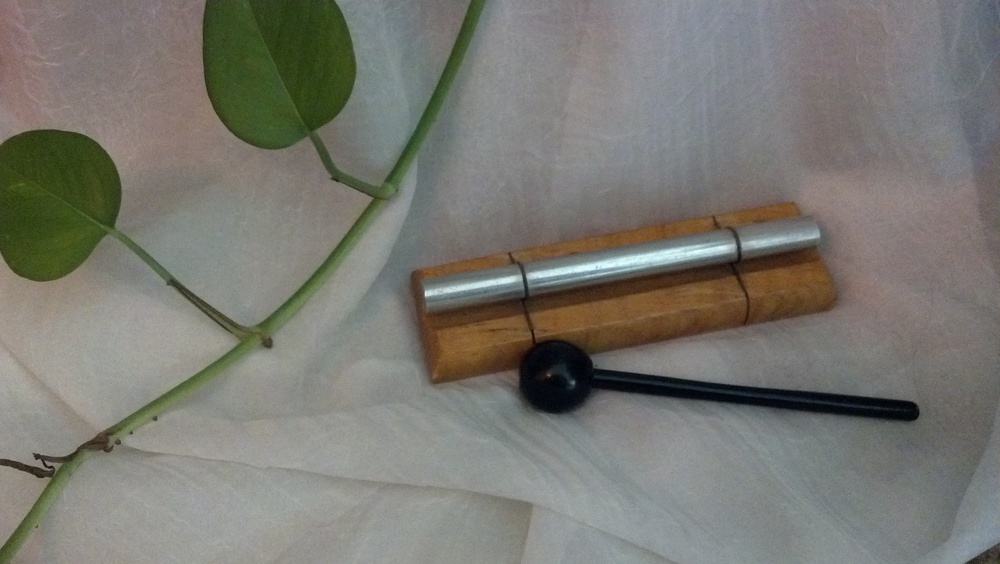
Mindfulness BellRule 3. Practice mindfulness. Cultivating regular mindfulness practices helps you stay in touch with what really makes you happy, content, and satisfied, versus what you think “should” make you happy. Developing mindfulness helps you stay present in the moment, even if that present moment involves uncomfortable thoughts, emotions, or sensations. When you learn to stay present, instead of running, distracting, or numbing yourself, you can access authenticity and vulnerability. These are paramount to deeply knowing yourself and knowing others.

Rule 4. Cultivate gratitude. The science of happiness repeatedly points to the importance of gratitude and appreciation as a key to happiness. It may seem counterintuitive to appreciate what you have, when you’re feeling unhappy and unfulfilled. But gratitude is foundational to building your optimism, which then leads to greater creativity, connection, and resilience. An attitude of gratitude will also help you identify what is working for you in life, and help you focus on cultivating more of that.

A mid-life crisis is not inevitable. If you’re in crisis it is likely because you let your life go on automatic pilot. The above 4 rules help you take the reins of your life and be responsible for your choices and path. Enjoy the ride—it is the only one you’ve got.

~Dr. Jenn Gunsaullus, San Diego -- Sexologist, Sociologist, Sexuality Speaker
What Mayor Bob Filner Needs in Counseling

Lucky us in San Diego. Our mayor's salacious activities have been plastered all over the news nationwide, although it does make for interesting conversations everywhere I go. Since Mayor Bob Filner started 2 weeks of intensive counseling today, I started thinking about how I would approach counseling with him if he came to see me. Obviously this is only based on what I've heard in the news, but this certainly is not the first time we've learned about a male politian engaging in sexual harassment.


My first consideration is that he refuses to step down from office and thinks the San Diego taxpayers should pay his legal fees. This leads me to believe he really doesn't think he's done anything wrong or serious. I'm guessing that the combination of his age and the generation he was raised in, as well as being in a position of political power, means he thinks that women are pleased when he hits on them and it’s all in good fun. With this in mind, my approach would be mindfulness cultivation, vulnerability training, and empathy-building (with gender education).


1) The first angle I would take with him is one of mindfulness practices. Changing any habit or pattern requires knowing what is happening in the moment that the pattern is triggered. Is it seeing a woman he finds beautiful? Feeling inadequate and down? Feeling sexually aroused? Whatever the trigger, unless he can identify the thoughts, emotions, and bodily sensations triggering his actions, he won't be able to change them.


Mindfulness is also foundational for working on the next two components - vulnerability and empathy. According the neuropsychiatrist Daniel Siegel, mindfulness develops a part of the brain that facilitates empathy, insight, attuned communication, emotional balance, and morality. I would teach Filner a combination of formal and informal practices around mindfulness so he has a better chance of shifting these patterns in a timely manner.


2) Building comfort with vulnerability will be important for his healing and changes. What are his insecurities? What is he afraid of? How is he handling getting older? Does he feel shame? How worthy does he feel? These aspects of insecurities often underlie bad behavior. When someone is always running, hiding, or numbing from their demons, they tend to do a lot of foolish things. Accessing vulnerability and teaching him ways to self-soothe will be valuable. And the more comfortable and accepting of his own shortcomings he can be, the more he should be able to understand the plight of others with humility.


3) The third step would be empathy-building with gender education. If possible I would bring in women who have been sexually harassed by other men, to speak to the angst they felt, how they felt pressured by status and power, and the impact on their confidence, job, and family. I would expose him to various situations that could evoke empathy, such as viewing a bullying scene, and walk him through all the emotions on both sides. It would be important for him to learn the concept of "privilege," as a white, wealthy, heterosexual man, and the importance of respecting and not abusing that role. Also, though, it would be important to recognize places where he is less privileged (such as his age and lack of attractiveness). As an aside, I've heard from someone who works with him on occasion that he can be rather rude at meetings, such as calling someone "stupid" in front of a group. It seems that empathy is a missing part of his interactional repertoire overall.


Of course all of this would require him actually wanting to change, and being open to learning new ways of thinking and acting. You can teach an old dog new tricks, and we have neuroscience to prove that. What kind of approach do YOU think would help?


~Dr. Jenn Gunsaullus, San Diego -- Sexologist, Sociologist, Sexuality Speaker

(Image from Bill Wechter/Getty Images from: http://www.nydailynews.com/news/politics/ninth-woman-accuses-mayor-harassment-article-1.1416076)

Top 10 Sexual Health Blogs

Sexual Health Blog BadgeI'm happy to announce that my blog here, as well as my Dr. Jenn's Den Facebook page, were included in Health Expresses list of the top 10 sexual health blogs. As you know, sexual health is a fun topic, but it's also challenging, messy, scary, and taboo. I'm thrilled to have easily accessible platforms like blogging and Facebook to spread accurate sexual health information, as well as research and advice about building healthy relationships, personal growth, and mindfulness. Thank you Health Express, and thank YOU for reading this blog :)

~Dr. Jenn Gunsaullus, San Diego, CA -- Sexologist, Sexual Health Speaker, Sociologist

Why “What’s for dinner?” Can Hurt Your Relationship

Relationship researchers and counselors have long argued that how a couple fights is important to the stability of that relationship. But what about how a couple celebrates with each other? Psychology researcher Shelly Gable studied the impact of various responses of how a couple celebrates their successes. She found that their interaction style when sharing positive events was more predictive of the health of their relationship than how the couple handled conflicts.

The example conversation in the box above is borrowed from Martin Seligman’s positive psychology book Flourish. Can you find yourself in these conversations? Can you hear the voices of your parents? I think that many folks learn whether to be active/passive or constructive/destructive from the interaction styles of their parents. However, although you might have learned a certain reaction style or you believe that you “naturally” react in more passive or destructive ways, you can practice a new style. Ask yourself and your partner about the importance of supporting each other when something good has happened, and make a committment to practice new ways to be more mindful in these interactions. I also suggest that you observe these types of interactions in your family, friends, and coworkers, so you can feel for yourself the powerful difference being active and constructive makes.

~Dr. Jenn Gunsaullus, San Diego, CA -- Sociologist, Sexologist, Sexuality Speaker

Is Wonder Woman your Sexual Archetype?

With Comic Con in full swing in downtown San Diego right now, I’m having flashbacks to Wonder Woman from my childhood. And since I’m in the sex field, not surprisingly this progressed to me reflecting on Wonder Woman as a sexual archetype. An archetype is a constellation of personality traits that form a recognizable character, such as the Mother, the Warrior, or the Teacher. If someone asked you to enact one of these roles, you’d have a good idea of what to do because they make sense to us.

I expand on this concept of archetypes to include sexual archetypes who can help us grow in our sexual identities. Do you like who you are in the bedroom? Do you express yourself authentically and fully in sexually encounters? Do you bring the best of you to sex? If not, a sexual archetype can be a tool for growth.

Due to the stigmas and discomfort we have around full sexual expression in the United States, sexual expression can often be stifled. If you have a fear of sexual rejection or fear of sexual judgment for being authentically sexually you (who grows up in this society and doesn’t?!), it can feel terrifying to try something different.

One way to break through your sexual blocks is to choose a sexual archetype with whom you identify. While we have archetype understandings of the Seductress or the Whore or the Goddess, I like to extend this to our cultural icons. What Hollywood star, movie or television character, or book persona exudes a sexual energy you’d like to embody? This is beyond role-playing because you are pulling out parts of yourself and developing comfort with them, with the intention of long-term integration.

It’s important to recognize the difference here between “performance” and “authentic” sexual expression. I’m not suggesting that you “perform porn star,” but that you tap into an energy of expression that resonates deeply with you, but has been blocked or never developed.  An archetype allows a big shift in perspective that offers permission to access and express new depths of your sexual being. So who do you want to be? If you're interested in learning more about the origins of the Wonder Woman character, check out my video from awhile ago about Wonder Woman.

~Dr. Jenn Gunsaullus, San Diego, CA -- Sociologist, Sexologist, Sexuality Speaker

(Photo of Lynda Carter as Wonder Woman from: http://bestofbothworldsaz.com/2011/03/12/wonder-woman-lynda-carter-an-arizona-beauty-2/)